



Fun Facts for the Fourth
July 4th, 2013

The Fourth of July is a great time to get together with friends and family members for BBQ, games, fireworks, and other celebrations in honor of our country’s independence. While your fellow revelers eat hot dogs and wave flags, you can impress them by sharing these fascinating facts and historical tidbits about some of our country’s traditions and symbols from the team at Dr. John Rottschalk Dental Group.
The Statue of Liberty
With a torch in one hand and a tablet in the other, the Statue of Liberty is one of the most iconic and recognizable symbols of our country. However, as recognizable as certain parts of the statue are, not many people know that broken shackles, which represent oppression and tyranny, are lying at Lady Liberty’s feet. According to the Statue of Liberty-Ellis Island Foundation, the copper-plated lady weighs in at a whopping 450,000 tons and has been holding her torch up for more than 125 years, which must make for some impressive arm muscles.
Nathan’s Hot Dog Eating Contest
Since 1916, people have been flocking to Coney Island on the Fourth of July to witness what some people call the “superbowl of competitive eating.” Nathan’s Hot Dog Eating contest challenges competitors to devour as many hot dogs as they can in just ten minutes, with the current record holder swallowing a whopping 68 hot dogs back in 2009! If you’d like to witness this bizarre and frenzied eating competition but you won’t be anywhere near Coney Island on the fourth, don’t worry. ESPN has been broadcasting this popular event for several years, so you can watch from the comfort of your couch while you eat a reasonably portioned meal.
The History Behind Fireworks
Viewing the nighttime fireworks display is exciting way to finish off the fourth. Many people know that these brilliant displays probably originated with the Chinese. However, according to History.com, many historians also believe that fireworks were stumbled upon when the Chinese roasted bamboo sticks over fires and watched them explode. After many years of roasting the sticks, a group of alchemists created an early form of gunpowder, which they stuffed into the bamboo sticks to create an even more powerful explosion, paving the way for the today’s modern fireworks.
Whether you’re planning on visiting the Statue of Liberty, watching fireworks in Fairview Heights, IL, or even participating in a hot dog eating contest, Dr. Rottschalk and our team hope you have a safe and fun-filled holiday. Happy Fourth of July!
Providing the Right Dental Care for your Children
June 27th, 2013
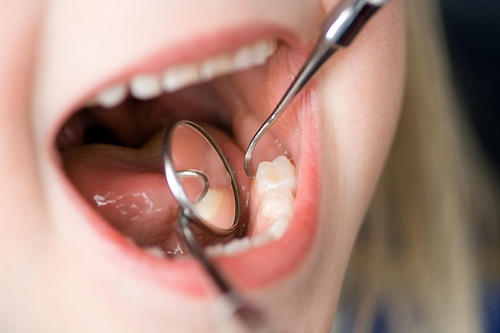
You already know that Dr. John Rottschalk Dental Group recommends you come in for a checkup and cleaning at least every six months, but do you know what your child’s dental needs are? From the time children are babies and growing in their first teeth, their oral health care needs may be different from adults. It’s important to know what they need, and when, to help them grow strong, healthy teeth.
When to See Our Team at Dr. John Rottschalk Dental Group
While dental care (at home) can begin as soon as your baby starts to show signs of that first tooth, most experts do not recommend you see a dentist until your child is at least one year old. The child will likely be too young at this point to have a full dental exam, but we can take a look at your baby’s teeth and give you tips for brushing and flossing properly.
By the time your child has all of his or her baby teeth—usually around 24 to 30 months of age—we can begin scheduling regular checkups and cleanings.
What to Expect on the First Visits
The first visit to our Fairview Heights, IL office for a full exam will mostly involve getting to know Dr. Rottschalk and staff members, and making your child feel comfortable. Let us know if you would like to sit in the exam room during the appointment, but keep in mind that it may be beneficial to leave your child alone with Dr. Rottschalk for a portion of the appointment so we can start building trust with your child.
Our team at Dr. John Rottschalk Dental Group will likely do some or all of the following during your child's visit:
- Look for signs of decay or other tooth or gum problems
- Examine your child’s bite, checking for misalignment that could lead to problems in the future
- Clean the teeth, and apply fluoride if your child is old enough
- Talk to you about proper oral health care for your children
- Answer any questions you may have about caring for your child’s teeth, which may include topics like fluoride needs, nutrition and diet, teething, and the frequency of future checkups
In most cases, we will recommend that you bring your child in every six months for regular checkups, the same as your recommended frequency.
Understanding your child’s unique dental needs is important for providing the best possible care when it becomes necessary. We look forward to building a good relationship with your child so coming to the dentist is a fun, rewarding experience and not a frightening one.
I have fluoride toothpaste and fluoridated water; do I need a fluoride treatment?
June 20th, 2013

Fluoride is a naturally found ion with a history of greatly reducing the incidence of tooth decay in children. However, over the past decade Americans have increasingly consumed bottled water, most of which does not contain fluoride, and children are no longer getting the recommended dosage of fluoride. In addition, many areas do not add the optimum amount of fluoride to the town drinking water.
Everyone’s dental needs are different. The amount of fluoride a person needs is determined by age (children), tooth sensitivity, risk for cavities, and medical conditions. When a patient needs additional fluoride it can be applied in a foam or varnish.
Children receive additional topical fluoride because teeth in the early development stages have a higher mineral uptake. The future strength of the enamel depends on this. When a tooth absorbs the fluoride ion, it creates hydroxyapatite, a harder mineral compound than enamel alone.
Those who have a dry mouth from medication also need extra fluoride. A daily fluoride rinse and a semi-annual fluoride varnish treatment are standard. If you are on medicine for high blood pressure, anxiety, diabetes, depression, or cholesterol, you may fit in this category.
Cancer treatments can also greatly impact your oral health. Fluoride varnish treatments prior to, during, and after radiation and chemotherapy can be beneficial. There are other mouth conditions which coincide with cancer treatments which make it difficult to brush and floss daily, and can contribute to an increased risk for decay. An infection during cancer treatment can be especially harmful, which is why preventive measures are important.
Fluoride treatments, administered topically, are highly beneficial in preventing decay. Feel free to call Dr. John Rottschalk Dental Group to schedule an appointment or if you have any questions.
Common Emergency Care Visits: Toothaches or Abscesses
June 13th, 2013

Dental problems do not always wait for normal office hours. Broken fillings or damaged teeth are common reasons for emergency treatment. Toothaches and abscesses can also require prompt attention. Dr. John Rottschalk Dental Group can provide you with the information and treatment you need to prevent the problem from becoming worse. Emergency dental care is only a phone call away, 24 hours a day, seven days a week.
Abscess
According to the American Academy of Family Physicians, an abscess is a bacterial infection. An abscess will normally cause pain and swelling around the affected tooth and gum area. Antibiotics are not always necessary, but you should seek treatment quickly. Left untreated, an infection can spread and cause serious complications.
Toothache
There are many reasons that you may develop a sudden toothache. The cause of the pain may be a particle of food lodged between your tooth and gum line. One of the first steps you can take is to rinse your mouth with warm water. You may also try gently flossing the area to dislodge the particle. Do not continue flossing if bleeding occurs.
Toothaches can occur from a carie — a cavity in the tooth — or from a fracture. Sensitivity to heat or cold may also cause tooth pain. You should make an appointment to ensure that a minor problem does not become serious. We may recommend acetaminophen or another pain reliever to reduce the pain before your visit.
Additional tips and treatments:
- If you have fractured a tooth, rinse the area with warm water to keep the surfaces clean. Apply a cold compress to the outside of your facial area to reduce swelling.
- A tooth that has been knocked out should be kept moist, in a clean container, until you can receive treatment.
- Do not apply aspirin directly on a damaged tooth or gum area as it can cause tissue irritation.
- If you suspect that your jaw has been broken, go to an emergency room immediately.
- If you have bitten or damaged your lips or tongue, rinse your mouth well with warm water. If bleeding continues, call us or seek other medical attention immediately.
Our team is ready to assist you when you have an emergency dental need. When you call, please provide us with as much information as possible so we can offer recommendations that will assist you until your appointment. Do not delay; emergency treatment is available and immediate treatment is the best course of action.