



Smile! June is National Smile Month!
June 6th, 2013

Can you believe it’s already June? Today, Dr. Rottschalk and our team at Dr. John Rottschalk Dental Group thought we’d tell you June is National Smile Month, and remind all our patients to practice good oral hygiene between your visits to our office!
Below are a few simple steps you can take to improve your oral health so that you may celebrate National Smile Month for many, many years to come:
- Brush at least twice a day with fluoride toothpaste
- Floss every day to clean between your teeth
- Reduce your intake of sugary foods and drinks
- Visit Dr. Rottschalk every six months, or as recommended
If you have questions about any of these tips, we encourage you to give us a call, ask our team during your next visit, or ask us on Facebook!
Telltale Signs That Your Tooth Has A Cavity
May 30th, 2013
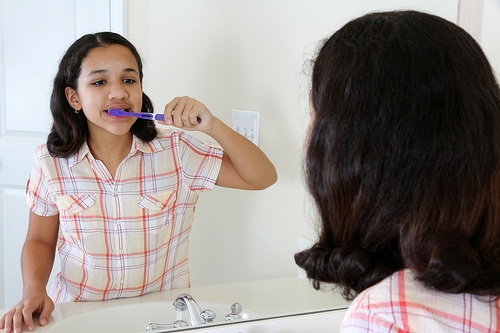
Dr. Rottschalk and our team at Dr. John Rottschalk Dental Group frequently get questions about cavity causes and prevention. You brush twice a day and floss regularly. You rinse with hydrogen peroxide, just like the dentist recommended. In fact, you can’t remember the last time you had a cavity, but you think it was when you were a little kid. In all seriousness, you thought only kids got cavities.
The Signs and Symptoms of a Cavity
It’s believed that roughly 90% of Americans will get at least one cavity in their lifetime. Those other ten percent, it seems, can eat as much pie, cake, and sugary cereals and sweets as they want. That’s not really true; just a stab at dental humor, and it was as bad as the pain your cavity is probably giving you.
When a cavity is in its initial stages, you will often be symptom-free and experience no discomfort at all. It’s not until the tooth decay has reached a certain level that you will begin to notice the signs and symptoms. While a toothache and sensitivity to hot and cold foods and liquids are surefire signs that you have a cavity, there are lesser-known symptoms as well. If you’re experiencing any of these warning signs, you may want to consider making an appointment with our office as soon as possible:
- Persistent bad breath or a bad taste in the mouth
- When you bite down, there is a sticky, tarry feeling
- Puss or discharge around a tooth
- A visible discoloring, usually black or brown
- Small pits or holes in the tooth
Routine dental care is important. While good oral hygiene, a healthy diet, and regular cleanings will deter the formation of cavities, they do not constitute a foolproof practice. A cavity can occur at any time, no matter what your age. Bacteria causes tooth decay, and no amount of brushing, flossing, and rinsing will eradicate all the bacteria from your mouth. If you think you may have a cavity, please contact our office immediately.
The Thumb-Sucking Habit
May 29th, 2013

At Dr. John Rottschalk Dental Group, we are often asked “should I be concerned with my child’s thumb sucking?” So, our team thought we’d share what our thoughts are on your child sucking his or her thumb.
Infants Who Suck Their Thumbs
As infants begin experimenting with the basic functions of their mouths, from sucking on a bottle to beginning to speak, it is natural for them to suck their thumbs. Parents with young babies who regularly suck their thumbs probably don’t need to feel overly concerned, so long as fingers are kept clean and the habit is kept in check. For most children, the exploratory stage of thumb-sucking ends after just a few short years. Problems with thumb-sucking occur when infants grow into young children but the habit has not been resolved.
Dangers of Thumb-Sucking
One of the main differences between an infant and a child sucking his thumb is the formation of the mouth and teeth. An infant’s mouth is barely beginning to grow and develop, so sucking a thumb might actually help to stimulate the process. For a child with a mouth full of teeth, however, a thumb-sucking habit might cause some serious problems. As a parent, it can be very important to watch your child carefully to make sure the sucking habit is regulated.
As a child grows and develops, baby teeth begin to fall out. A child sucking his or her thumb during the baby teeth stage may not run any great risks. Our team at Dr. John Rottschalk Dental Group often sees that once a child has developed his or her permanent teeth, the problems with thumb-sucking can become more serious. KidsHealth.org states that children who suck their thumbs beyond the age of four or five might increase their risk of developing an overbite, infections, and other dental problems.
What You Can Do To Help
Parents who want to prevent possible problems for their child would be wise to begin preventive care early on. While you don’t need to be overly concerned about an infant sucking a thumb, it might be a good idea to help your toddler break the habit before permanent teeth begin to show.
- Try to use positive rewards for good behavior instead of negativity or threatening behavior.
- Talk openly with your child about the potential dangers of a thumb-sucking habit.
- Help your child find other productive things to do with the hands as a means of distraction. Playing a game of blocks, for example, might be a great diversion.
- Support and encourage your child while he or she is trying to break the habit.
As children develop, they have many things to learn and to think about. By understanding a few simple facts about thumb-sucking, you can help your child develop in a healthy and positive way. If you have any other questions, feel to contact us at our Fairview Heights, IL office, or ask Dr. Rottschalk during your next appointment!
May Marks National Physical Fitness and Sports Month!
May 6th, 2013

Did you know the month of May is designated National Physical Fitness and Sports Month? After all, there isn't a better time to celebrate physical activity as when the warm weather and sunshine makes its way back into our lives!
Now that the flowers are in bloom and the weather has warmed up, it's easier to go outside and soak up the sun. After spending the winter working out in gyms or doing crunches at home, exercising outdoors can be a lot more enjoyable as well. Whether you enjoy hikes, jogging, or biking, spring gives us a chance to smell the grass, take in the rays, and enjoy the blue sky—all senses that we just can't duplicate at the gym.
If jogging or biking isn't your cup of tea, we encourage you to try a sport! Sports have some amazing qualities that we often overlook. Team sports like baseball and soccer, and individual sports like golf and tennis can improve your coordination and agility, in addition to building determination, confidence, drive, hard-work, pride, leadership, and time management.
We always encourage our patients to stay fit by exercising or participating in sports. However, we want to remind you to always wear a mouthguard or other form of facial protection when playing sports. To learn more about how often your child should exercise, or to ask us about obtaining a mouthguard, please give us a call!