



Overall Health Can Be Influenced By Oral Hygiene
September 4th, 2019

Keeping on top of your oral health is key when it comes to making sure your whole body stays healthy. The bacteria that occur naturally in your mouth can produce harmful bacteria such as strep and staph, which can lead to serious infections and sickness.
When you follow good dental habits like daily brushing and flossing, and eat a healthy diet, you can discourage harmful bacteria from traveling from your mouth to other parts of your body. Protect yourself and learn more about the link between oral hygiene and a healthy body.
Until recently, tooth decay was more common because of the lack of regular dental care and research behind fluoride. Tooth decay is much less problematic today, due to fluoridated water and toothpastes that contain fluoride.
Nowadays, gum disease has replaced tooth decay as the most frequent dental problem. Periodontal disease is on the rise among adults because people don’t floss regularly and then ignore gum tenderness and bleeding. If left unchecked, periodontitis can cause inflammation that may cause harm to other parts of the body.
Oral Health and Chronic Disease
Many scientists believe inflammation-related infections can trigger systemic disease or intensify existing conditions. Remember, bacteria overgrowth in inflamed gum tissue is able to enter the bloodstream through your eating processes, which is why it’s so vital to visit our Fairview Heights, IL office if you notice sustained gum irritation and inflammation in your mouth.
Caring for your teeth and gums every day can prevent the onset of disease and save you trouble in the future with regard to your body’s health. If you think you may be showing signs of periodontal disease, or notice anything else out of the norm, please contact Drs. Rottschalk, Acker, and Froidcoeur and schedule an appointment.
We want you to be proactive about your health!
Electric Toothbrushes vs. Regular Toothbrushes
August 28th, 2019
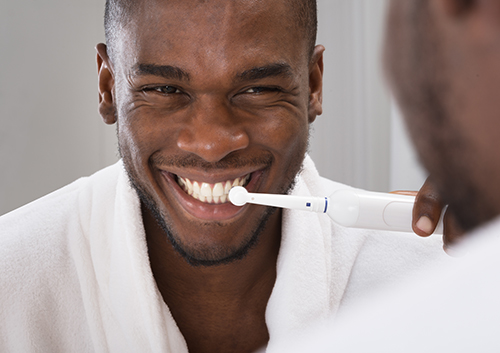
Convertible or sedan? Downtown or suburbs? Electric or manual toothbrush? As life decisions go, it’s certainly not choosing your next car, or deciding where you want to live. But, even when you are selecting a toothbrush, it helps to make a list of the pros and cons of the contenders before you make that final selection.
- Efficiency
The most important factor in choosing a toothbrush is finding out which model works best to eliminate bacteria and plaque. And studies have shown that, used properly, both electric and manual toothbrushes do a great job of removing plaque. Some electric models can reach the backs of teeth and the gumline more easily, some manual head designs work better for your individual mouth and teeth, so your particular needs should dictate which style of toothbrush you use. Talk to us about the best methods to brush with your preferred toothbrush, and we’ll let you know if one type of toothbrush or the other might work better for you.
- Health Considerations
Brushing too energetically can actually harm teeth and gums, causing sensitivity and damage to the enamel and gum tissue. An electric toothbrush should provide a continuous brushing motion without needing any pressure from the brusher. This might be the model for you if you have a too-vigorous approach to brushing, or sensitive teeth and gums.
An electric toothbrush can also be more efficient for older and younger brushers, those with limited mobility, and those with health conditions or injuries that make brushing with a regular toothbrush more difficult.
- Cost
An electric toothbrush is not a one-time investment. You should change the removable head as often as you change your manual toothbrush (every three to four months, please). But this cost is offset if an electric toothbrush is more efficient in removing your plaque, easier to use, or even if you just prefer it to manual brushing. If you find that you brush better and more often with an electric toothbrush, the added expense is well worth it.
Whichever brush you decide on, the most important part of the brush is the person holding it! A regular appointment with your toothbrush for two minutes of thorough brushing in the morning and two in the evening, daily flossing, and regular visits to our office for checkups and cleanings will keep your teeth healthy and strong no matter which toothbrush you choose.
Questions about your toothbrush choices? Don’t hesitate to ask Drs. Rottschalk, Acker, and Froidcoeur at our Fairview Heights, IL office.
Suffer from tooth discoloration? Don’t panic!
August 7th, 2019
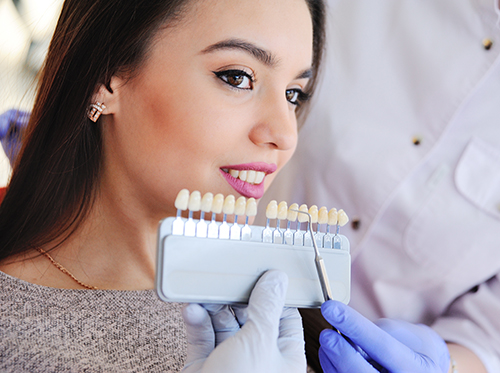
Like many other parts of the human body, teeth age. You may look at old photos and realize your smile was significantly brighter in the past than it is now. Many adults experience tooth discoloration and find it embarrassing.
The good news is there are treatment options! The first step to recovering your bright smile and finding appropriate treatment is to determine what’s causing the discoloration.
There are multiple reasons for tooth discoloration. Some are under your control, but unfortunately, others may not be. Glance at the list below and see if you can pinpoint the cause of your tooth discoloration.
- Poor Dental Hygiene: This one is obvious. There’s a reason your parents (and dentist) always told you to brush and floss three times a day.
- Genetics: A big part of your dental health is determined by genetics; in other words, what runs in your family. Sometimes people inherit naturally discolored teeth.
- Diet: Do you eat sugary foods often? Drink lots of soda? Gulp more than two cups of coffee a day? Are you an energy drink fan? We’re not pointing any fingers ... but you should do the math.
- Tobacco: Because cigarettes contain nicotine, they can readily stain your teeth. So hardcore smokers often develop prominent brown stains.
- Medications: Medicines such as doxycycline, tetracycline, antihistamines, blood-pressure medications, and antipsychotic drugs can all create tooth discoloration as a side effect. (If you suspect this could be the case for you, don’t ever discontinue your medication without consulting your doctor first!)
Did you find the culprit? Perhaps the easiest way to avoid tooth discoloration in your case might be to make some simple adjustments to your diet and other habits.
Also, when you consume drinks or foods that are high in acid or sugar content, take a moment to rinse your mouth with water afterward. If you’re an avid tobacco user, you may want to reconsider that; especially because it can have deadly effects that go way beyond your smile.
Drs. Rottschalk, Acker, and Froidcoeur can also suggest other treatment options. While over-the-counter agents do help, in-office whitening treatments tend to be more effective. If whitening agents don’t alleviate the problem, you may want to consider bondings or veneers.
If you’re worried about discoloration of your teeth, or have any questions about how to treat it, please feel free to reach out to our Fairview Heights, IL office! We can help you identify what may be causing the problem and work with you to give you a smile you’ll be proud of.
Why Baby Teeth Matter
July 17th, 2019

Sleepless nights, crankiness, drooling—how can such tiny teeth cause such a big fuss? But all those uncomfortable days and nights are forgotten when your baby’s first teeth make their appearance. Why? Well, certainly because your child is happier, but also because you know baby teeth, or primary teeth, are important for your child’s growth in so many different ways.
- Chewing and Eating
Your baby might enjoy solid foods at an early age, but real chewing doesn’t happen until all the baby molars appear between the ages of one to three years. This is the time to feed children size-appropriate and texture-appropriate foods so they acquire proper chewing and eating habits for healthy digestion. Chewing also helps develop your child’s jaw and facial muscles.
- Developing Speech
Pronouncing many of the common sounds used in speech often requires tongue and teeth working together. If teeth are missing or there is a bite problem such as an open bite, it might be more difficult to pronounce words properly. This could be only a temporary delay, or it could require speech therapy when your child is older.
- Setting the Stage for Permanent Teeth
Baby teeth not only help with speech and jaw development, but they serve as space holders for permanent teeth. If a primary tooth is lost too early, a permanent tooth might “drift” into the empty space. The adult tooth will not have the room to fit where it should, and crowding or misalignment can occur. This might cause orthodontic problems in the future.
- Learning Healthy Dental Habits
You are your baby’s first dental health care provider! Wiping the gums and erupting teeth with a soft damp cloth after meals, gently brushing baby teeth when your toddler is young, teaching how to brush as your child gets older, helping to establish daily routines for brushing—all these practices will prepare your child for lifelong healthy dental habits.
- Making the Dentist a Regular Part of Your Child’s Life
Your child should visit our Fairview Heights, IL office soon after that first tooth comes in, and definitely by the age of 12 months. Drs. Rottschalk, Acker, and Froidcoeur can help with suggestions for your brushing and flossing routine, make sure your child’s teeth are healthy and clean, and ensure that teething progress is on track. In later visits, we will examine your child’s primary teeth and gums, and treat any problems, such as cavities, before they can become serious.
It turns out that baby teeth really are a big deal. Talk to us about suggestions for caring for your toddler’s teeth and about any questions you may have about teething progress, jaw and facial structure, speech development, or any other concerns at any time. We want to have a happy relationship with your child from the very start for a lifetime of healthy and confident smiles.