



Losing a Baby Tooth Prematurely
October 2nd, 2019

Losing a baby tooth is often an exciting event in a child’s life. It’s a sign your child is growing up, and might even bring a surprise from the Tooth Fairy (or other generous party). But sometimes, a baby tooth is lost due to injury or accident. Don’t panic, but do call our Fairview Heights, IL office as soon as possible.
If Your Child Loses a Tooth
It is important to see your child quickly when a baby tooth is lost through injury. The underlying adult tooth might be affected as well, so it’s always best to come in for an examination of the injured area. The American Dental Association recommends that you find the lost tooth, keep it moist, and bring it with you to the office. Call Drs. Rottschalk, Acker, and Froidcoeur immediately, and we will let you know the best way to treat your child and deal with the lost tooth.
Baby Teeth Are Important
There are several important reasons to look after your child’s first teeth. Baby teeth not only help with speech and jaw development, but they serve as space holders for permanent teeth. If a primary tooth is lost too early, a permanent tooth might “drift” into the empty space and cause crowding or crookedness.
Space Maintainer
A space maintainer is an appliance that does exactly that—keeps the lost baby tooth’s space free so that the correct permanent tooth will erupt in the proper position. The need for a space maintainer depends on several factors, including your child’s age when the baby tooth is lost and which tooth or teeth are involved. We will be happy to address any concerns you might have about whether or not a space maintainer is needed.
It is important to remember that there are solutions if the Tooth Fairy arrives at your house unexpectedly. Keep calm, call our office, and reassure your child that his or her smile is still beautiful!
Dental Emergencies in Children
September 25th, 2019

Unfortunately, dental emergencies can sometimes be unavoidable among young children. The good news is Drs. Rottschalk, Acker, and Froidcoeur can help you prepare in case you and your child find yourselves in any of the following situations.
Teething
Starting at about four months and lasting up to three years, your son or daughter may experience teething pain. It’s common for teething children to grow irritable and become prone to drooling due to tender gums. Give your child a cold teething ring or rub his or her gums with your finger to help relieve the discomfort.
Loss of Teeth
If a baby tooth is knocked out in an accident, bring your child to our Fairview Heights, IL office to make sure damage hasn’t occurred in the mouth. Permanent teeth can sometimes grow in before baby teeth have fallen out. In this situation, Drs. Rottschalk, Acker, and Froidcoeur should examine your child to make sure teeth are growing in properly. This can prevent serious issues from arising later in adulthood.
Gum Issues
Bleeding gums could mean several things. They may be an early sign of periodontal disease, which results from poor oral hygiene. Gums may also bleed if a youngster is brushing too hard or has suffered an injury to the gum tissue.
Rinse your child’s mouth with warm salt water and apply pressure to the area if bleeding continues. Don’t hesitate to contact our Fairview Heights, IL office if you are concerned so we can schedule an appointment.
As a parent, you can provide the best education for your children on proper oral hygiene habits. If you some coaching, ask Drs. Rottschalk, Acker, and Froidcoeur for tips during your next appointment.
Infant Teething Remedies: What Might Help—And What to Avoid
September 18th, 2019

Some lucky babies wake one morning displaying a brand new tooth to the complete surprise of their unsuspecting parents! But your happy baby is irritable and drooling. Or your hearty eater doesn’t feel like finishing her food. Perhaps she finds it hard to go to sleep when she’s usually nodded off before you finish the first lullaby. A small number of children suffer little or no discomfort teething, but for the majority of babies who do, here are some helpful ways to ease their teething pain.
- Massage--Rubbing your baby’s gums with a clean finger or piece of gauze—gentle pressure is all you need. And do be careful of your fingers once those teeth start coming in!
- Chewing—there are many colorful and easy to grasp teething toys available, including BPA-free models.
- Cool Relief—Cool a solid teether in the refrigerator to help ease discomfort. Placing a teething ring in the freezer is not recommended, as extreme cold can be damaging to little mouths and gums.
- Comfort Food—If your baby is eating solid foods, try cold applesauce or other purees.
- Skin Care—Drooling is often part of the teething process, but try to keep your child’s face free from rash and chaffing by wiping with a clean cloth when necessary.
And while you are trying to keep your baby comfortable, also be sure to keep her safe!
- Know what your baby is putting into her mouth. All teething items should be non-toxic and free of harmful chemicals. Teethers filled with fluids may break or leak, so a solid toy is best.
- Make teething items size-appropriate. Avoid anything small or breakable that might present a choking hazard.
- Over-the-counter gels and liquids containing benzocaine, meant to reduce pain in the gums and mouth, may on rare occasion lead to serious health conditions in small children. Always check with Drs. Rottschalk, Acker, and Froidcoeur or your pediatrician before buying an over-the-counter teething medication for your baby.
For many babies, teething can be a long and sometimes difficult process. If there is anything we can do to help you and your baby in this journey, please give our Fairview Heights, IL office a call.
Sleep Apnea: What a Dentist Can Do
September 11th, 2019
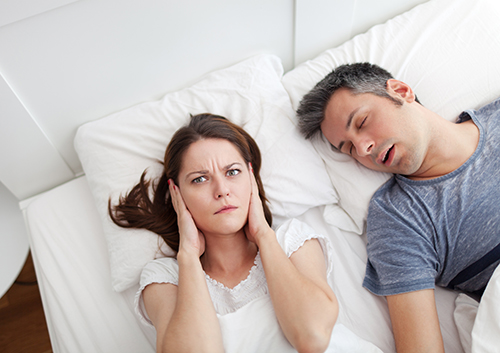
You find yourself drowsy and irritable all day. Or you have trouble sleeping, and when you do, you snore loudly throughout the night punctuated with silent pauses where you aren’t breathing at all. Or your loved ones tell you that you’ve been keeping them awake with your snoring or frightening them awake when you gasp for breath. Whatever symptom may have brought you to the doctor, you’ve been diagnosed with obstructive sleep apnea, and now it’s time to get this sleep disorder under control.
Obstructive sleep apnea occurs when the tissue in the back of the throat relaxes, partially blocking the airway, or structural problems in the mouth and throat (such as enlarged tonsils or tongue) obstruct air flow. The tissue around the air passage vibrates with every breath causing those annoying snoring sounds. More dangerous, an obstructed airway means that there is not enough oxygen getting into the lungs. The struggle to breathe wakes us, interrupting the deep sleep we need to function. Untreated, the results of sleep apnea can range from drowsiness and irritability to a greater risk of high blood pressure, heart disease, and stroke. Luckily, there are several approaches to combatting this form of sleep apnea, including life style changes, surgery or breathing machines, and orthodontic appliances.
- Lifestyle Changes
Sleep apnea is more likely to affect those who are overweight, smoke, use alcohol, take certain medications, or sleep on their backs. If you can make changes in your lifestyle that will restore the quality of your sleep, this is a great first option.
- Surgery or Breathing Machines
Sometimes obstruction of the airway is caused by structural problems in the throat or mouth. Tissue can be reshaped or removed during surgery to widen and stabilize the breathing passage. Or you might be prescribed a machine such as a CPAP (continuous positive airway pressure) machine, which blows pressurized air through a tube and mask to keep the airway open during sleep.
- Oral Appliances
Drs. Rottschalk, Acker, and Froidcoeur can also be an important resource if you struggle with obstructive sleep apnea. Many people suffering from this disorder prefer an oral appliance for its effectiveness, comfort, and convenience. One common oral sleep appliance is designed to support your lower jaw in a forward position. This jaw movement increases the open space of your airway as you sleep. Other appliances can prevent the tongue from blocking the airway and obstructing air flow. These appliances resemble mouthguards and retainers, and, like them, are custom made just for you. We will recommend the type of appliance best suited to your needs, and will take a model of your mouth and teeth so that a lab can craft an appliance that will be a perfect fit. We will adjust it for comfort if necessary, instruct you on its use and care, and schedule follow up treatment to make sure the appliance is treating your sleep apnea as efficiently as possible.
Whether you opt for a change of lifestyle habits, a CPAP machine, surgery, or an oral appliance, it is important that you treat this sleeping disorder. Left untreated, obstructive sleep apnea can have many serious consequences. If you suspect you might have sleep apnea, talk to us during your next visit at our Fairview Heights, IL office. You deserve a good—and healthy—night’s sleep.