



‘Tis the Season—for Healthy Dental Choices!
December 2nd, 2020

It might be the most wonderful time of the year, but if you’re dashing through the snow to an emergency dental appointment, you’re not feeling very jolly. And post-holiday, no one wants to start off their New Year’s Resolutions with “Get Cavities Filled.” How to survive the sweetest of seasons with enamel and fillings intact?
Candies and sweets would normally be on the naughty list, but we’re not Scrooges! Indulging in a treat or two is part of the holiday fun, and we have some advice for how to enjoy them guilt-free. But first, some treats are definitely more naughty than nice. Which are the ones that are better as decorations than desserts?
- Candy Canes
If you’ve ever suffered a chipped or cracked tooth after an innocently biting down on a much-harder-than-expected piece of candy, you know that caution is in order. That’s why we tend to take our time with candy canes, letting them dissolve slowly in the mouth. Of course, the drawback to this strategy is that now we’re slowly bathing our teeth in sugar, encouraging the growth of plaque and cavity-causing bacteria.
Candy canes, peppermints, and other hard candies are potentially bad for your teeth when you crunch away, and definitely bad for your teeth if you let them dissolve slowly.
- Gumdrops
Glistening, colorful gumdrops. Roofing your gingerbread house, trimming a gumdrop tree, or simply sitting in a bowl, they are one of the sweetest ways to decorate for the holidays. And when we say “sweet,” we mean that literally. Most gumdrops are basically made of corn syrup and sugar—and then rolled in more sugar.
But their sugar content isn’t the only problem. This is sugar in an extra-gummy form that sticks between our teeth and around our gums.
- Toffees, Caramels, Taffy
They might come in lovely ribboned boxes, but these extremely sticky foods are not a gift to your teeth.
Not only do chewy candies stick to enamel, they stick to fillings, crowns (especially temporary crowns), and orthodontic wires and brackets. No one wants an unexpected trip to the dentist or orthodontist because dental work has been damaged or dislodged!
- Gingerbread Houses
Nothing says the holidays like a gingerbread house—chewy, sticky gingerbread covered with hard sugar icing, gumdrops, and peppermints. Great for your décor; not so great for your dental health. Eat one gingerbread man if you’re in a spicy mood and leave your architectural masterpiece intact.
- Fruitcake
If you need an excuse to turn down fruitcake, here’s a perfect one: most fruitcake is not great for your teeth. Candied fruit is, well, candied, and dried fruit is sugary, sticky, and chewy. There are delicious exceptions, of course, but even a delicious fruitcake is very high in sugar.
Well, this list wasn’t very jolly. So as a little holiday gift for you, here are some suggestions to help you enjoy your desserts in the healthiest way possible.
- Be choosy.
Just like you search for the perfect presents for your family and friends, take the time to choose the perfect holiday treats for yourself. If you are worried about cavities, or have a temporary crown, or wear braces, or have cracked a tooth before, or are just generally concerned with your oral health, stay away from sticky, hard, and excessively sugary desserts.
What can you accept from your holiday hosts with a grateful (and relieved) smile? The occasional soft chocolate should be nothing to stress about—and if you make it dark chocolate, you’ll actually get nutritional bonuses like magnesium and antioxidants. Cakes, cupcakes, cookies, pies—yes, they are made with lots of sugar, but it is the holidays after all. Just be sure to follow our next suggestions to make that slice of cheesecake guilt-free.
- Eat sweets with a meal.
Saliva does more than keep our mouths from getting dry. It also helps prevent cavities by washing away food particles and neutralizing the acids from food and bacteria, which damage enamel.
Eat dessert with a meal, and you benefit from increased mealtime saliva production. When you snack throughout the day, this acid-neutralizing ability is greatly reduced.
- Rinse after eating.
Rinsing your mouth with water after a meal or a snack, especially a sugary one, also helps wash away the sticky sugars and carbs, which oral bacteria convert into acids.
- Brush immediately. (Maybe.)
It’s always a good idea to brush right after eating—well, almost always. If you’ve been eating acidic foods like citrus or colas, the acids in the food can weaken your enamel just enough to cause some potential enamel damage if you scour your teeth immediately after eating. We often recommend waiting about 30 minutes to brush to give your enamel a chance to recover.
But every mouth is different. If you wear braces, or tend to get food stuck in your teeth or dental work, or have any other concerns, ask Drs. Rottschalk, Acker, and Froidcoeur for the best times and methods for holiday brushing.
You don’t want to ho-ho-hope that we can fit you in at our Fairview Heights, IL office to treat a cavity or a cracked tooth. Make your holiday dessert list and check it twice, and make sure you’re brushing and flossing more often if you’re indulging in seasonal treats—give yourself these two gifts, and you’ll be ringing in the New Year with a beautiful, healthy smile. Sweet!
Solutions for Dry Mouth (Xerostomia)
November 25th, 2020

Dry mouth, or xerostomia, is a common side effect of many medications. It can also be a side effect of cancer treatments, or the result of certain auto-immune diseases. Drs. Rottschalk, Acker, and Froidcoeur and our team at Dr. John Rottschalk Dental Group will tell you that for most people, discontinuing their medication isn’t an option. The solution is two-fold: find ways to increase saliva production and eliminate specific things that are likely to increase dryness in the mouth.
Lack of saliva creates a situation in the mouth that allows harmful organisms such as yeast and bacteria to thrive. It may also make it difficult to swallow food, create a burning feeling in your mouth, or cause bad breath, among other problems.
Medications that are known to cause dry mouth include:
- Anti-depressant drugs
- Anti-anxiety medications
- Drugs for lowering blood pressure
- Allergy and cold medications — antihistamines and decongestants
- Chemotherapy drugs
- Medications to alleviate pain
- Drugs used in the treatment of Parkinson’s disease
Saliva helps people digest their food. It also functions as a natural mouth cleanser. Xerostomia increases the risk you will develop gum disease or suffer from tooth decay.
Solutions for dry mouth
- Carry water wherever you go, and make a point of taking regular sips.
- Avoid oral rinses that contain alcohol or peroxide.
- Chew sugarless gum or suck on sugarless hard candies that contain xylitol.
- Limit your consumption of caffeine, carbonated beverages (including seltzer and sparkling waters), and alcoholic beverages.
- Brush your teeth at least twice a day, and use dental floss or other inter-dental products to remove food particles that get stuck between your teeth.
- Look for oral rinses and other oral hygiene products that bear the American Dental Association (ADA) Seal of Approval.
- Brush your teeth and use oral rinses that contain xylitol. Certain gels and oral sprays are equally helpful. Biotene is one over-the-counter brand that makes products designed to treat dry mouth.
- Make sure you get your teeth checked and cleaned twice a year. Drs. Rottschalk, Acker, and Froidcoeur will be able to examine your mouth for problems and treat them before they turn into something more serious.
You may not be able to solve your dry mouth problem altogether, but you’ll be able to deal with it by following these recommendations. You’ll be able to increase saliva production while reducing your risk of more serious dental problems. To learn more about preventing dry mouth, or to schedule an appointment with Drs. Rottschalk, Acker, and Froidcoeur, please give us a call at our convenient Fairview Heights, IL office!
Eco-Friendly Toothbrushes
November 11th, 2020
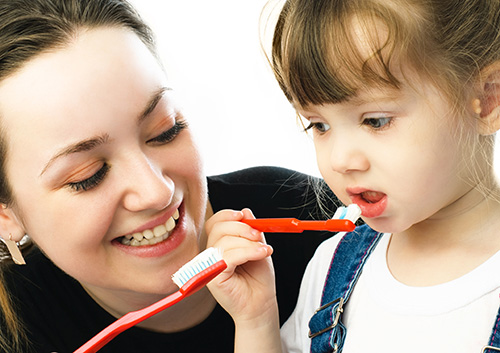
When it comes to dental hygiene, “going green” is not the first phrase that comes to mind. But if you are brushing properly, you are also replacing your toothbrush every three to four months as the bristles become frayed and wear down. Sure, that’s a tiny amount of plastic from each of us going to our landfills, yet it adds up to millions of brushes a year nationally. If you are concerned about reducing your carbon footprint while reducing your risk of cavities, there are several new toothbrushes designed to make brushing more eco-friendly.
Biodegradable Toothbrushes
Some brushes claim to be completely compostable. These models generally have heads fitted with boar bristles and handles manufactured from sustainable woods or bamboo. Boar bristles aren’t for everyone. Some users complain of the taste of the bristles, and boar bristles might be harsher than the soft bristles we recommend to protect both enamel and gums. There is also some concern about bacteria growth on organic bristles.
Earth-friendly Handles and Bristles
If you prefer the consistency and texture of regular synthetic bristles, you can still opt for a brush with a handle of sustainable wood or bamboo. You can also select PBA-free bristles, bristles made primarily of castor oil, or bristles that use natural ingredients in combination with synthetics.
Reduce, Reuse, Recycle
If these exotic brushes aren’t for you, there are more conventional choices that will save energy and cut down on waste.
- Reduce the amount of electricity you use for your electric toothbrush with a model that requires less charging time.
- Reuse your toothbrush by buying one with a handle made of metal, natural materials or plastic and replace the detachable head every three months.
- Recycled plastics can be found in the handles of some toothbrushes, and many brushes come in recyclable packaging. Every bit helps!
If you decide to use one of these green products, remember that your dental health is still the primary goal. Be sure the bristles of your brush are soft enough to protect your gums and enamel and can reach all the places you need to brush. The handle should be easy to grip and the head should be a comfortable fit for your mouth. It’s always best to choose products with a seal of acceptance from your local dental association, or talk to us about greener alternatives during your next visit to our Fairview Heights, IL office. Luckily, there are several workable options to protect the health of your family's teeth while still being mindful of the health of our planet.
The Hazards of Smokeless Tobacco
November 4th, 2020

Many smokers believe that chewing tobacco is a safer alternative to smoking cigarettes. This simply isn't the case! In fact, smokeless tobacco can cause serious health concerns.
Smokeless tobacco comes in many forms and goes by many names: dip, snuff, snus, or simply chewing tobacco. Use of these products usually involves sucking or chewing on shredded or loose tobacco leaves, sometimes flavored, for a prolonged period. There are even products that emulate a dissolvable candy-like consistency which are made of compressed tobacco powder.
What are risks and smokeless tobacco?
Whichever form a tobacco product takes, the dangers of using or consuming them is very real. According to a 2007 study by the World Health Organization's International Agency for Research on Cancer, there are upwards of 28 cancer-causing chemicals in smokeless tobacco that are known to cause cancer. And these products are habit-forming just like any other tobacco product that contains nicotine. Using them will increase your risk for many serious diseases including but not limited to: cancer (especially oral and esophageal), gum and heart disease, cavities, and pre-cancerous mouth lesions.
At the end of the day, long-term use of smokeless tobacco can cause serious health issues. These products really take a toll on both your oral and overall health. They put a strain on your immune system and make it less capable of warding off infection and disease.
Drs. Rottschalk, Acker, and Froidcoeur and our team strongly advise you to stop using smokeless tobacco—or any kind of tobacco product—and not to pick up the habit if you aren't. There is no safe level of tobacco use, smokeless or otherwise.
Need to quit smoking or using smokeless tobacco products?
You can and should always talk to your doctor, healthcare practitioner, or Drs. Rottschalk, Acker, and Froidcoeur for help quitting. But there are many other resources available today for those who'd like to quit. The National Cancer Institute offers information, support (local and online), and tools to help smokers and smokeless tobacco users quit. They offer live online chat with cessation counselors Monday through Friday and even have a smartphone application available to help people who are serious about quitting.
You can take a look at their website at smokefree.gov or call them toll-free at 1–877–44U–QUIT (1-877-448-7848). There is also help available from your state's quit line at 1-800-QUIT-NOW (1-800-784-8669).
Make the best choice for your health and well-being; avoid the bad habit of tobacco products. If you have any questions about how tobacco related products affect your oral health and hygiene, please don't hesitate to ask one of our Fairview Heights, IL staff members.