



When Is a “Cavity” Not a Cavity?
October 5th, 2022

Is this a trick question? After all, you probably already know quite a lot about cavities:
- It all begins when bacteria-filled plaque sticks to teeth and starts to attack enamel. How?
- Because the bacteria in plaque use the sugars and other foods we eat to produce acids.
- These acids gradually weaken teeth by dissolving minerals which help make up our enamel (a process called demineralization).
- Over time, a hole, or cavity, develops in the tooth surface.
- Left untreated, bacterial decay can spread to the inside of the tooth, creating a more serious cavity.
Some cavities aren’t discovered until you visit our Fairview Heights, IL office, but sometimes there are clear signs that there’s a problem.
- You have tooth pain or sensitivity.
- Your tooth changes color in spots where the enamel has decayed.
- You might even notice enamel loss when a cavity is large enough.
So, if you have any of these symptoms, it’s a cavity, right? It might be—but it might not. Sometimes, because the symptoms are similar, what we suspect is a cavity is really enamel erosion.
The bacteria-created acids weaken enamel. But it’s not just bacteria that subject our teeth to acids—we do it ourselves with our choice of food and drink. Acidic foods are one of the leading causes of tooth erosion.
Our normal saliva pH level is around a 7, which is neutral. Any number lower is acidic; any number higher is alkaline. Acidic foods have a low pH (the pH of lemon juice, for example, measures between 2 and 3), and can reduce our normal, neutral pH level. When saliva pH levels drop to 5.5 or lower, tooth enamel starts to demineralize, just as it does when exposed to the acids from oral bacteria.
Regularly snacking on citrus and other acidic fruits, wine, fruit juices, flavored teas, sour candies, and other acidic foods can cause enamel erosion. Especially erosive are sports drinks, energy drinks, and colas, because they contain some combination of citric acid, phosphoric acid and/or carbonation.
The symptoms of tooth erosion and damaged enamel can be very similar to those caused by cavities:
- You suffer tooth pain or sensitivity
- Your teeth appear discolored, as the enamel thins to reveal the yellowish dentin underneath
- You notice missing enamel—your teeth become rounded or have little pits known as cupping
You call Drs. Rottschalk, Acker, and Froidcoeur right away if you suspect a cavity. Be just as proactive if you suspect erosion. Even though your symptoms may not have been caused by plaque and bacteria, acidic erosion from your diet leaves weakened enamel just as vulnerable to cavities and decay.
How to avoid erosion?
- Enjoy acidic foods sparingly, or as part of a meal. This helps your saliva pH stay in the neutral zone.
- Balance acidic foods with low-acid choices to help neutralize acids and restore a normal pH balance. (A good reason to pair wine or fruits with cheese.)
- Use a straw! This simple solution keeps erosive drinks from bathing your teeth in acids.
- Drink water instead of an acidic beverage, or drink it afterward to rinse your mouth. The pH of pure water? A perfect, neutral 7.
- And what about brushing right after eating or drinking something acidic? Ask Drs. Rottschalk, Acker, and Froidcoeur if you should rush for your brush. We may recommend waiting 30 minutes or so after an acidic treat to give teeth time to remineralize after acids weaken them. Otherwise, brushing might cause more wear and tear on your enamel.
- Finally, while foods are often the source of acid erosion, medical conditions can cause erosion as well. Talk to us about ways to minimize erosion while addressing your medical needs.
There’s no trick to it—watching your diet, brushing and flossing as recommended, using a fluoride toothpaste, and visiting Dr. John Rottschalk Dental Group for regular checkups will help prevent tooth erosion. We can restore eroded enamel with bonding, veneers, or crowns if the erosion is serious. Better still is to catch erosion before symptoms appear to keep your teeth their strongest for a lifetime of healthy, beautiful smiles.
Dry Mouth and How to Treat It
September 28th, 2022
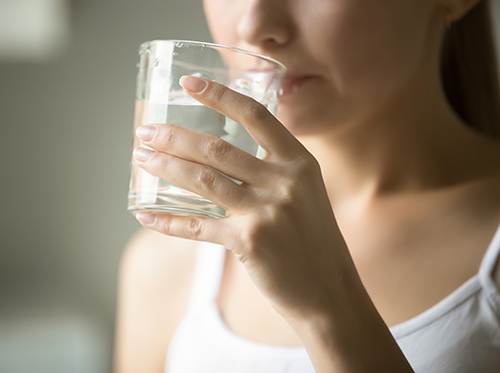
In fancy medical terms, dry mouth is known as xerostomia. It’s really just what it sounds like: a condition in which you don’t have enough saliva to keep your mouth moist. Dry mouth can be the result of certain medications you’re taking, aging, tobacco use, nerve damage, or chemotherapy.
Depending on whether you’re aware of the cause of your dry mouth, here are some simple ways to keep it at bay:
- Avoid drinks that contain alcohol or caffeine
- Avoid tobacco use, or lower your consumption of tobacco
- Floss after every meal
- Brush your teeth after every meal using a fluoride toothpaste
- Avoid foods that have a high level of salt
- Stay hydrated and drink water frequently
- Consider using a humidifier at night
If you have any questions about dry mouth and how it is affecting you, give our Fairview Heights, IL office a call or make sure to ask Drs. Rottschalk, Acker, and Froidcoeur during your next visit!
Cleaning Your Teeth—Time for a Refresher Course!
September 21st, 2022
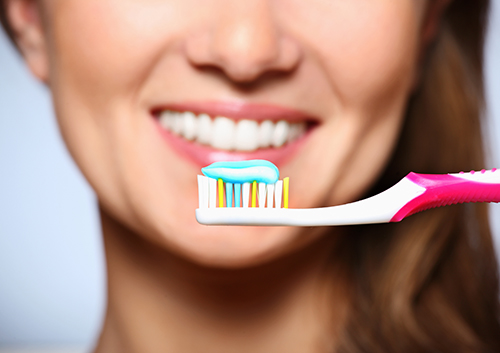
Let’s face it, by now, brushing our teeth is something we pretty much do on auto-pilot. A quick brush after breakfast, a minute or so at night, floss when we think of it. Done. But take a few minutes to review these cleaning tips, and see if a few small adjustments to your routine could make all the difference at your next checkup at our Fairview Heights, IL office.
- Tools
Some of us prefer brushing with a manual brush. Some like the electric brush for ease and comfort. Whichever form of brush you choose, be sure that it fits comfortably in your mouth, reaches everywhere it needs to, and has a handle that is easy to grip. There are many bristle options available, so if you are an energetic brusher, or if you have sensitive gums, try a soft bristled brush for gentler brushing.
If you haven’t been exploring the floss aisle lately, there are now many varieties available to suit your particular needs. Besides the traditional floss, there are coated flosses for easy gliding between teeth that fit closely together, dental tape-style flosses to fit teeth with wider spacing, and even flosses designed just for braces that thread between the wires and brackets. Talk to Drs. Rottschalk, Acker, and Froidcoeur at your next cleaning for product suggestions if you think there’s an easier, more comfortable option out there for you.
- Technique
With proper technique, any toothbrush and floss you choose will do a fine job of removing plaque.
Brushing? There’s a tried and true method for success. Place the toothbrush at a 45° angle at the gum line. Be sure to brush the outside, inside, and chewing surface of each tooth thoroughly. Remember the expression, “Massage, don’t scrub.” Over-vigorous brushing can actually irritate gum tissue and damage enamel. An electric toothbrush should provide a continuous brushing motion without needing any pressure from the brusher. This might be the model for you if you have a too-vigorous approach to brushing, or sensitive teeth and gums. If you like your manual brush, again, give a soft-bristled brush a try!
As for flossing? That harmless-looking little string can cause gum damage if used too forcefully. You can accomplish the placement and cleaning power you need by easing the floss down to the gumline and flossing with gentle pressure against the tooth surface. If you have any questions about technique, remember—we are always happy to let you know the best cleaning methods for your specific needs.
- Timing
Of course, the best tools and the best technique in the world won’t be effective unless you put the right amount of time into brushing and flossing.
The standard rule is two minutes of brushing in the morning and two minutes at night. If you wear braces or have other special circumstances, we might recommend brushing after every meal. And if you brush after breakfast, give your teeth half an hour or so to remineralize. This natural process uses the calcium and phosphate ions in your saliva to strengthen tooth enamel after it’s been exposed to any acidic foods in your breakfast.
Thorough flossing can be accomplished in a few minutes, and might be needed only once a day. But again, depending on your individual needs, we might have other recommendations. Let’s review what works for you at your next visit—we can tailor suggestions for a brushing routine to your unique needs.
It’s a great idea to review your brushing habits periodically to make sure you are getting the most out of those minutes you spend cleaning your teeth. There won’t be a test at the end of this review, and you won’t get a gratifying grade or a gold star. What you will get is much more important—better checkups, fewer cavities, and healthy teeth and gums. Happy cleaning!
Five Clues That It’s Time to Replace Your Toothbrush
September 14th, 2022
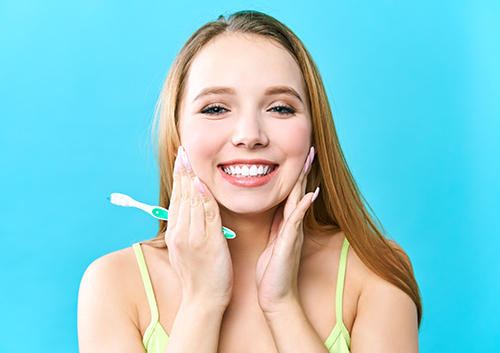
Your dashboard lights up when you need an oil change. Your smoke detector beeps when you need to switch out the batteries. But when it’s time to replace your toothbrush, you’re on your own. Luckily, there are several not-too-subtle clues that you should be shopping for a new model.
- Fraying
Is your toothbrush looking a bit scruffy? Do those once orderly bristles look like they have the toothbrush equivalent of bed head? Have some bristles vanished altogether? Time to retire that toothbrush. Once the bristles are frayed, you just can’t reach plaque as effectively, especially where it likes to hide between the teeth.
Are you prematurely fraying? You could be brushing too hard. Overbrushing can damage delicate gum tissue and cause wear and tear to tooth enamel. If you find your brush fraying after only a few weeks of use, you might be using too much force. Remember, plaque is a sticky film, but it’s a soft sticky film. Ask us for advice on just how hard you need—or don’t need—to brush.
- Odor
This one really goes without saying—no one wants an aromatic toothbrush! How to make sure your toothbrush is fresh and clean?
Always rinse carefully after you brush. This will get rid of any toothpaste, bits of food, or other particles left on your brush.
Let your toothbrush air dry. It might seem more hygienic to keep your brush covered in a bathroom setting, but a closed, moist container is a perfect breeding ground for germs. Don’t let them make a home in your bristles!
- Illness
A cold or a bacterial infection (like strep throat) is no fun. But now that you’re feeling better, it might be time to throw out your toothbrush. The chances of re-infection are very low, unless your immune system is compromised, but this is a perfect opportunity to replace your brush with a fresh, germ-free model.
And if you share your toothbrush, or if you store it right next to a loved one’s or family member’s (which you really shouldn’t do, for this very reason), germs get shared, too. Quarantine your brush while you’re ill, and replace it once you’re out and about.
- Discomfort
Bigger isn’t necessarily better. A brush with a head that’s too big won’t allow you to get into those small spaces in your mouth where plaque likes to collect.
And harder doesn’t mean more effective. A brush with hard bristles can cause damage to your gums and enamel. We almost always recommend soft-bristled brushes for this very reason.
There are so many styles of brush out there, you’re bound to find the perfect fit with a little trial and error. Or ask Drs. Rottschalk, Acker, and Froidcoeur for suggestions the next time you’re at our Fairview Heights, IL office for a cleaning!
- The “Best By” Date Has Passed
Because of its durable construction, your toothbrush can last a long, long time. But no matter how comfortable and effective your toothbrush is right now, it was never meant to go through life with you. Bristles break down over a period of months, and just don’t clean as effectively. Your brush should be changed every three months, and this includes changing the head on your electric toothbrush.
Unfortunately, you don’t have a flashing light or annoying beep to remind you when it’s time to change brushes, so you’ll have to devise your own reminders. Reminder apps, calendar notes, the first day of a new season—use whatever works best for you.
Don’t ignore the clues your toothbrush is leaving you. Replacing your brush whenever it’s necessary helps guarantee that the time you spend cleaning your teeth and gums will lead to confident, healthy smiles. Case closed!