



Maximize Your Insurance Benefits!
October 23rd, 2013

We would like to give those patients with flexible spending accounts (FSAs), health savings accounts (HSAs), or insurance benefits a friendly end-of-the-year reminder: There is still time to reserve an appointment in order to utilize your benefits before they expire. Our schedule tends to get busy toward the end of the year, so don’t wait to give us a call at 624-3838
Sincerely,
I’ve Lost a Filling – Now What?
October 17th, 2013

Dental fillings usually protect our teeth, but sometimes they need to be protected, too. If you lose a filling, contact our Dr. John Rottschalk Dental Group immediately and let us advise you on the next steps to take.
Fillings serve an important function in oral health by preserving the structural integrity of your tooth. With the materials we use today, dental fillings usually last for many years, but they are subjected to the same stresses as your natural teeth are.
You can wear down, chip, crack, or break your fillings by eating, clenching, and grinding, and sometimes they can fall out completely. While you may not notice normal wear and tear, you should not ignore any fillings that loosen or fall out. Contact us as soon as possible so we can advise you about whether you need to be seen immediately.
If your fillings get damaged or fall out, a timely response can be important. There may be gaps or holes in your tooth which provide an easy access point for bacteria. Once bacteria begin working into your tooth structure, your tooth could become damaged even worse. Since cavities usually form in hard-to-reach places, it will be difficult for you to remove these bacteria through brushing alone.
When is a Lost Filling an Emergency?
A lost or cracked filling is usually not an emergency unless you are in great pain or are bleeding excessively. In that case, contact our office immediately so we can schedule an emergency appointment. Otherwise we will schedule a regular appointment to evaluate and repair your filling. Before coming in for your appointment, try to avoid chewing on that side of your mouth, rinse with warm salt water, and be sure to brush and floss thoroughly after every meal.
Once you come to our office, Dr. Rottschalk will examine your tooth, assess the situation, and advise you of your options. We may be able to replace the filling and can discuss whether an amalgam or composite material would be the best for your teeth. If the filling was large, a root canal or a dental implant and crown may be necessary.
A lost or cracked filling may not always pose a dental emergency, but it’s always important to contact us so our team can help you take the proper action to preserve your oral health.
How Do I Handle My Child’s Dental Emergency?
October 10th, 2013
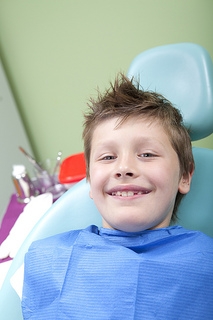
With children undergoing developmental dental changes and engaging in rough-and-tumble activities, dental emergencies can sometimes arise. If your child knocks out a tooth or experiences any type of oral discomfort, call Dr. John Rottschalk Dental Group right away so we can provide you with a quick assessment and pain-free treatment.
Before an emergency occurs, it’s a good idea to stay informed about the problems your child may encounter. Here are a few things you should keep in mind about teething pain, loose baby teeth, and other common dental issues.
Teething Pain?
Typically occurring in babies that are between four months and two and a half years old, teething may cause excessive drooling, tender gums, and some irritability. The Massachusetts Dental Society recommends providing plenty of fluids to children who are experiencing teething pain. Giving your baby a cold teething ring or gently rubbing her gums with wet gauze or your finger may also make her feel better.
Loose Baby Tooth
It is normal for a child’s first set of teeth to become loose and fall out. On the other hand, if your child’s baby tooth is knocked loose, schedule an appointment with our office so we can assess whether any damage has been done.
Issues with Permanent Teeth
Sometimes a child’s permanent teeth will grow in before the baby teeth have fallen out. Sutter Health notes that this a good reason to consult with a dental professional. Even if this condition isn’t causing any discomfort, you should schedule an appointment with our office so we can determine whether your child’s permanent teeth are growing in correctly.
Bleeding Gums
Bleeding gums can result from a number of factors, including periodontal disease, rough brushing, or an injury to the gum tissue. If your child’s gums are bleeding heavily, call our office right away so we can address the situation. If you have time before your appointment, the Cleveland Clinic recommends that you wash the child’s mouth with salted water and gently put pressure on the affected area.
Regardless of the type of dental issue your child has, you can always consult Dr. Rottschalk for further guidance. We make sure our emergency services are available 24 hours a day and seven days a week, so you have ready access to convenient and professional dental care that will have your child feeling better in no time.
October is National Dental Hygiene Month: A simple oral health routine for your busy lifestyle
October 3rd, 2013

Adults are no strangers to feeling like there is never enough time in the day to get everything done. Your alarm clock rings and within minutes you ping pong around trying to spread peanut butter on sandwiches, answer your cell phone, remove the dog hair from your clothes, and make sure your child has completed his or her science fair project. Brushing your teeth can easily fall to the wayside. That is why our office promotes a simple, daily oral health regimen that you can easily incorporate into your busy lifestyle.
The American Dental Hygienists' Association (ADHA), in partnership with the Wrigley Jr. Company, is celebrating National Dental Hygiene Month (NDHM) during October. The ADHA encourages people to "Brush. Floss. Rinse. Chew...Keep it Clean, Keep it Healthy!" and offers some great tips for a quick and effective home oral health routine, below:
Oral Health Routine at Home
- Brushing your teeth twice daily is the most important thing you can do to diminish the accumulation of plaque and the potential for other oral problems such as cavities and gingivitis.
- Flossing once daily removes plaque and food from beneath the gums and between teeth that brushing alone cannot remove. Tooth decay and gum disease often begin in these areas.
- Rinsing your mouth with an antibacterial, non-alcohol based mouthwash kills plaque and gingivitis germs that brushing and flossing do not catch. We recommend using a mouthwash with the ADA Seal of Acceptance.
- Chewing sugar-free gum helps produce saliva, which battles cavities. The gum also neutralizes plaque, strengthens enamel, and removes remaining food. It is especially important to chew gum after eating or drinking.
It's easy to put the toothbrush down in order to take care of matters you feel are more urgent, but remember, a good oral health routine at home is the best way to prevent periodontal disease. "Periodontal disease is the most common cause of tooth loss in adults. An estimated 75 percent of Americans reportedly have some form of periodontal disease," said the ADHA. Periodontal disease also is linked to more serious illnesses such as diabetes and stroke.
Also, remember to keep regular visits with our office every six months or as scheduled. Dr. Rottschalk can remove tartar and plaque, detect periodontal disease early, and help you learn more about proper care for your teeth and gums.